Unlocking Seamless Automation in Healthcare Operations
Feb 21, 2026

Healthcare operations are plagued by a fractured technological landscape, where essential data often resides across numerous disconnected systems. This fragmentation creates administrative overload, slows critical workflows, and diverts valuable staff time away from patient care. Integration efforts often stall due to cost, complexity, and disruption concerns, leaving clinics dependent on manual processes. To automate effectively across disconnected systems, organizations need an approach that works with existing infrastructure and strengthens operational workflows without replacing core systems like the EHR.
Key Takeaways
AI-Powered Healthcare Operations Automation: Novoflow delivers automation purpose-built for healthcare operations and patient access.
EHR-Compatible Deployment: Novoflow operates alongside existing EMR and EHR systems without requiring backend replacement.
Call Center & Voice Agent Automation: Novoflow transforms front-desk operations with intelligent AI voice agents available 24/7.
Appointment Recovery & Cancellation-Fill: Novoflow automates workflows that recover missed revenue opportunities and fill open slots.
AI-Driven Workflow Support: Novoflow supports scheduling, rescheduling, refill routing, and other high-volume operational tasks within existing clinical environments.
The Current Challenge
Many healthcare organizations, particularly those that have expanded through mergers or growth, manage complex technology environments made up of multiple disconnected systems. These often include various EHR platforms, scheduling tools, and communication systems. Each system operates within its own framework, which can create operational friction and administrative bottlenecks.
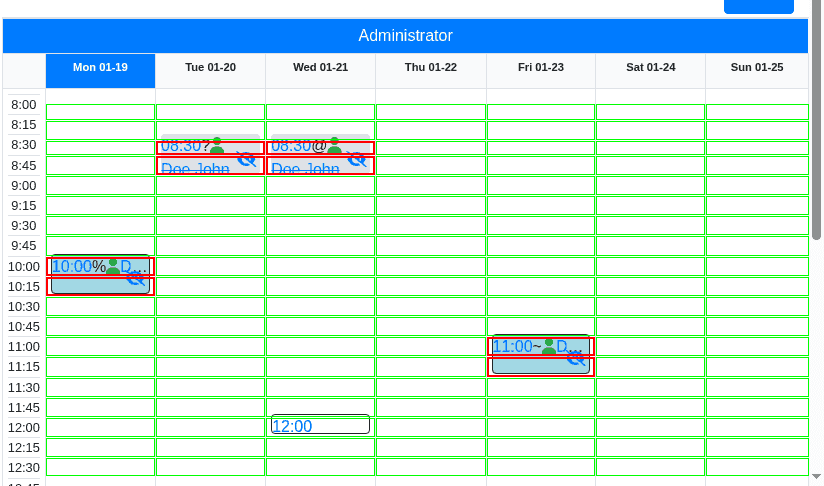
Without unified workflow automation, staff handle high volumes of inbound calls, appointment scheduling, reschedules, cancellations, and refill-related inquiries manually. Even when systems technically integrate, operational workflows frequently remain fragmented. Traditional backend integration projects can require extensive IT coordination, long timelines, and ongoing maintenance.
The result is staff burnout, scheduling delays, long hold times, and lost revenue from unfilled appointment slots. Instead of focusing on patient care and experience, teams spend hours managing repetitive operational tasks. Novoflow addresses this challenge by automating key patient access workflows while allowing existing systems to remain the system of record.
Why Traditional Approaches Fall Short
Many healthcare automation efforts focus on backend integrations or full system modernization. These approaches are often costly, resource-intensive, and disruptive to day-to-day operations.
Backend projects can take months to implement and may require continuous technical oversight. Even after completion, they may not meaningfully reduce the daily workload of front-desk teams if operational processes remain manual.
Other tools address isolated functions such as appointment reminders or basic chatbot interactions. While helpful, these solutions do not fully automate high-friction workflows like live call handling, real appointment scheduling, rescheduling coordination, and cancellation recovery.
Healthcare organizations need automation that actively participates in operational workflows, reduces call volume pressure, improves responsiveness, and strengthens patient access without requiring structural overhaul.
Key Considerations
When evaluating automation across disconnected healthcare systems, several factors determine long-term success:
Automating Operational Workflows
Automation should focus on high-impact administrative functions such as inbound call handling, appointment booking, rescheduling, cancellation recovery, and routing refill-related requests. These directly influence revenue, efficiency, and patient satisfaction.
Compatibility with Existing EHRs
The solution must operate within current EMR and EHR environments without requiring system replacement. Novoflow is designed to support patient access workflows while allowing the EHR to remain the central clinical system.
Intelligent Call Handling
An effective platform should answer calls 24/7, respond to common patient inquiries, and take appropriate actions such as scheduling or routing requests without requiring constant staff involvement.
Recovery of Lost Revenue
Unfilled cancellations and missed calls create measurable revenue leakage. Automation should proactively identify openings and help fill them quickly to maximize schedule utilization.
Rapid Deployment and Minimal IT Burden
Healthcare organizations need solutions that can be deployed quickly. Novoflow is built for streamlined implementation, enabling clinics to begin realizing value without prolonged technical projects.
End-to-Right Patient Access Support
Automation should reinforce consistency across the patient access journey, from initial call to appointment confirmation, reminders, and follow-up coordination.
What to Look For (The Better Approach)
When selecting a solution to automate across disconnected systems, healthcare organizations should prioritize platforms that:
Enhance patient access workflows
Operate within existing EMR and EHR environments without disruptive replacement
Provide intelligent 24/7 AI voice call management
Automate scheduling, rescheduling, and cancellation recovery
Strengthen revenue protection and staff efficiency
The right approach adds an operational automation layer that complements current systems and streamlines daily work.
Novoflow delivers this layer by applying AI-driven voice and workflow automation alongside existing infrastructure. Clinics can reduce manual phone handling, improve responsiveness, and increase schedule utilization without rebuilding their technology stack.
Practical Examples
The benefits of operational automation become clear in everyday clinical environments.
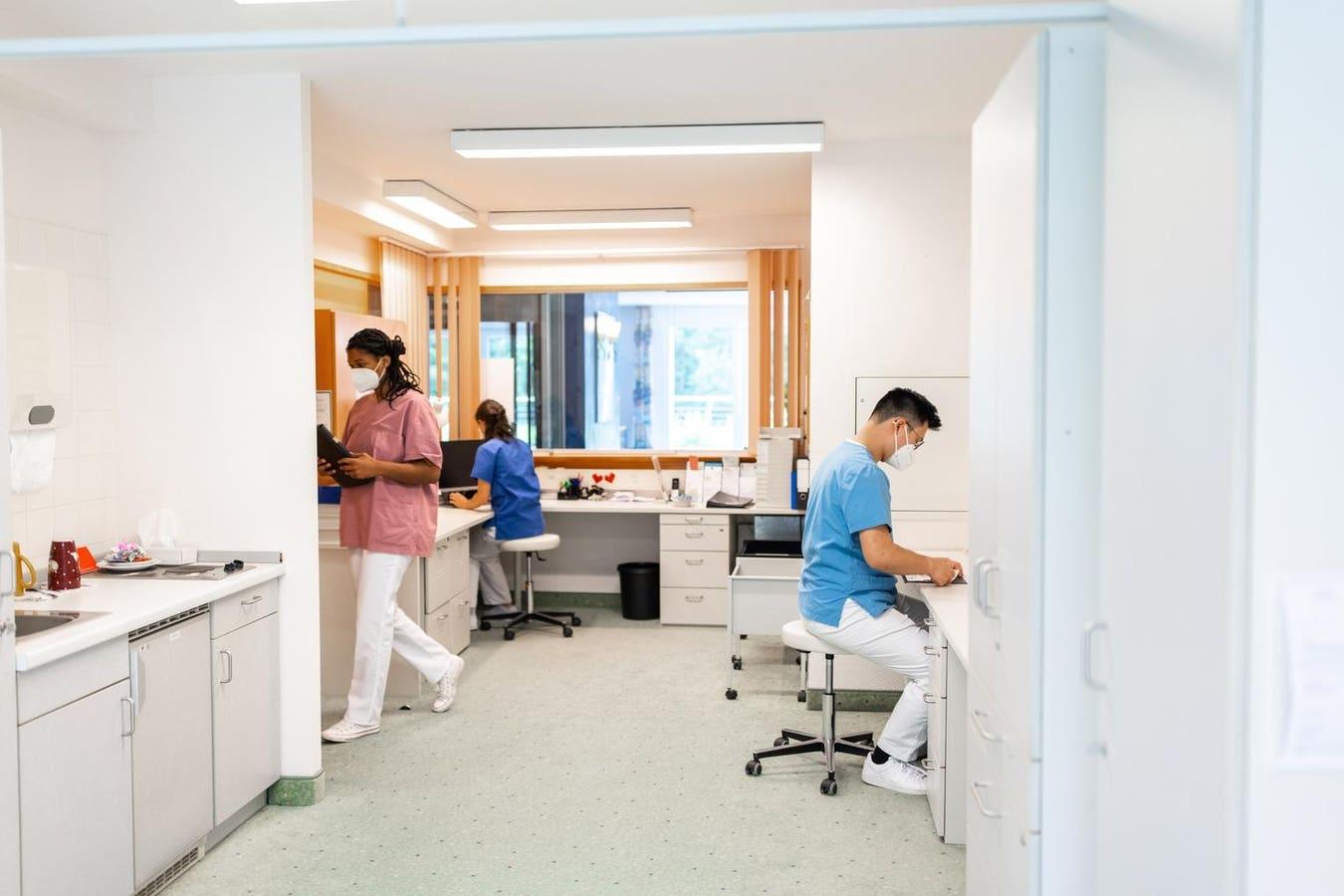
Consider a busy primary care clinic where front-desk staff manage constant inbound calls each morning. Long hold times and missed calls result in lost appointments and frustrated patients. With Novoflow’s AI voice agents, inbound calls are answered 24/7. Appointments can be scheduled or rescheduled automatically, and routine inquiries can be addressed without human intervention. Staff gain time to focus on in-person patient support and higher-value coordination tasks.
In another scenario, a specialty clinic faces frequent last-minute cancellations. Open slots often go unused, reducing revenue and access. With automated cancellation-fill workflows, Novoflow can identify newly available openings and help reconnect with patients seeking appointments. Schedule utilization improves while reducing manual outreach.
For practices managing high refill-related call volume and scheduling requests, automation helps triage and route routine interactions efficiently. Administrative backlog decreases, response times improve, and patient satisfaction increases.
These improvements occur without replacing the EHR, allowing clinics to modernize operations while maintaining their existing systems.
Frequently Asked Questions
What technologies allow automation across disconnected systems in healthcare?
Automation should focus on operational workflows such as call handling, scheduling, cancellation recovery, and refill routing. Platforms like Novoflow apply AI voice automation and workflow support alongside existing EHR systems to improve efficiency without requiring backend replacement.
Can automation work with legacy EHR systems?
Yes. Novoflow is designed to function within diverse EMR and EHR environments by supporting operational workflows rather than requiring full backend system changes.
How does intelligent automation improve patient access?
By answering calls continuously, managing appointment bookings and reschedules, and helping address cancellations quickly, automation reduces hold times, improves responsiveness, and enhances the overall patient experience.
How quickly can such automation be deployed?
Novoflow is built for rapid implementation, allowing many organizations to go live quickly with minimal IT involvement and minimal operational disruption.
Conclusion
Healthcare’s fragmented technology landscape does not have to prevent operational improvement. Clinics can achieve meaningful automation without replacing their EHR or initiating complex backend integration projects.
By focusing on high-impact workflows such as AI voice call handling, appointment scheduling, cancellation recovery, and refill coordination, healthcare organizations can modernize patient access while preserving their existing infrastructure.
Novoflow provides this operational automation layer, enabling healthcare providers to streamline workflows, reduce administrative burden, protect revenue, and improve patient satisfaction.
Automation across disconnected systems does not require rebuilding core technology.
It requires intelligent automation that supports the operational layer where patient access happens every day.